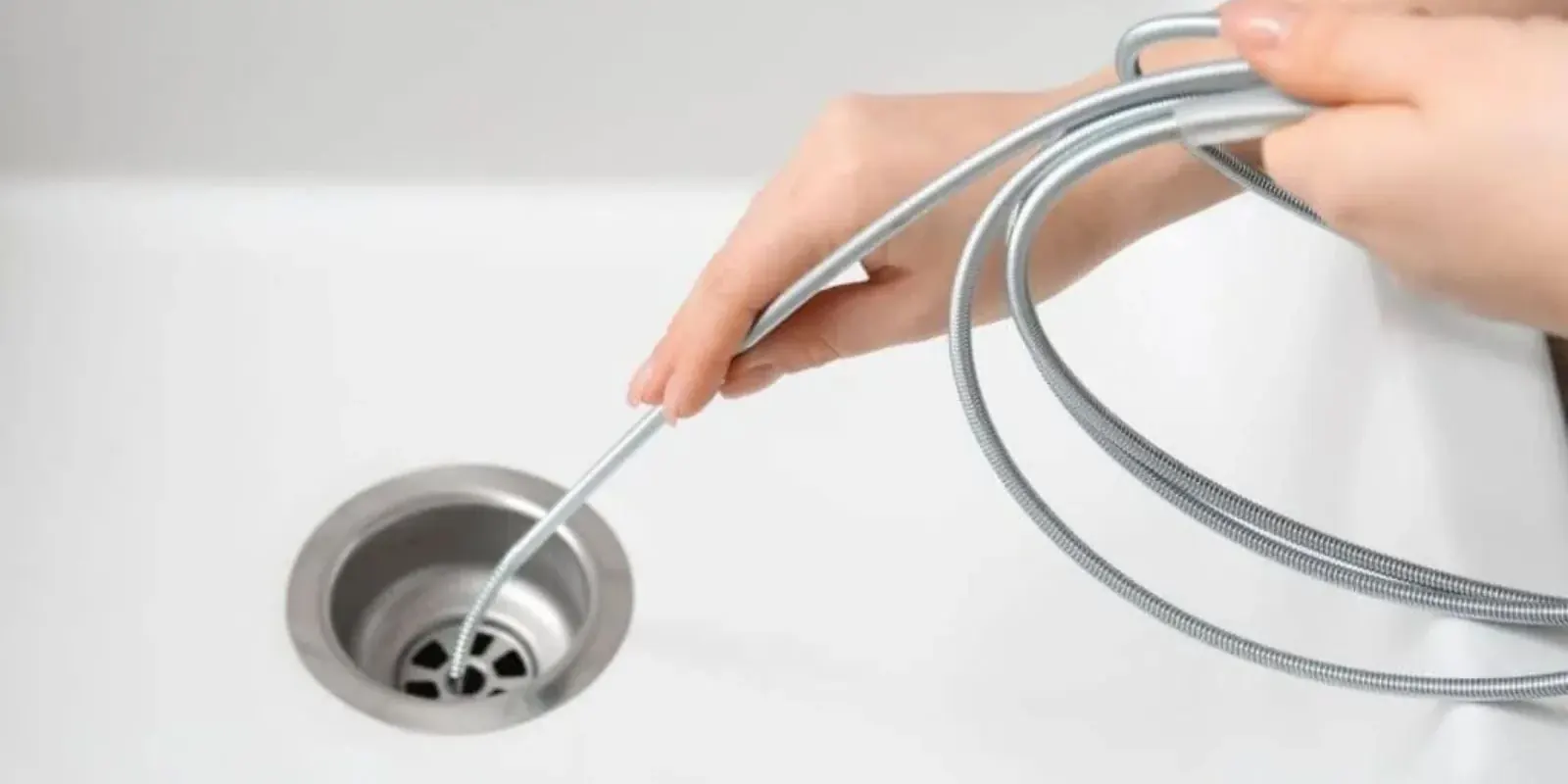
Where clogs start and how to stop them
Each drain in the house has its own usual culprit. Match the habit to the drain.
| Drain | Usual culprit | What to do instead | Early warning |
|---|---|---|---|
| Kitchen sink | Cooking grease, coffee grounds, starchy scraps | Wipe pans with a paper towel and bin the grease | Gurgling and a slow drain after washing dishes |
| Bathroom sink | Hair, toothpaste, soap film | Pull the stopper and clean it monthly | Water pooling around the drain |
| Shower and tub | Hair wrapped in soap scum | Use a hair catcher and empty it each shower | Standing water at your ankles |
| Toilet | Wipes, paper towels, cotton swabs | Flush only toilet paper and waste | Weak flush and repeated clogs |
| Laundry standpipe | Lint and detergent buildup | Fit a lint trap on the washer hose | Water backing up in the standpipe |
| Main sewer line | Roots, grease and heavy wipe buildup | Have repeat clogs scoped and cleaned | Several drains slow or gurgling together |
The kitchen is where most clogs begin
Grease goes down the drain as a liquid and sets as it cools, coating the pipe wall a little thicker each week. Hot water does not fix this. It moves the grease a few feet downstream, where it hardens again.
Scrape plates into the trash, wipe greasy pans before washing, and keep a jar for used cooking oil. Coffee grounds and eggshells look harmless but they clump and settle in the trap. A mesh sink strainer costs a few dollars and catches most of it. If a kitchen line has already slowed, a plumber can clear the drain before it stops completely.
Garbage disposals do not solve this. They chop scraps into smaller pieces, but fibrous items like celery, potato peels and rice still collect in the bend below the sink. Run plenty of cold water while the disposal works and for several seconds afterward, so the pieces travel past the trap.
A ten-minute monthly routine
- 1
Clean the strainers and stoppers
Pull every sink and tub stopper and remove the hair and gunk. Rinse them under hot water.
- 2
Flush each drain with hot water
Run hot tap water for a minute or two. This helps with soap film, but it will not dissolve grease.
- 3
Use a gentle enzyme cleaner if you like
Enzyme products digest organic film over time. They are maintenance, not a fix for a full clog.
- 4
Check for slow spots
Run the tub and sink at once and listen for gurgling. Note any drain slower than the others.
- 5
Look at the outdoor cleanout
Make sure the cap is in place and the area is clear. Do not open it unless you know what you are doing.
Whose pipe is it? The Mauldin sewer split
City of Mauldin Public Works Committee materials from October 2024 describe the city system as consisting only of the mainlines and manholes within street rights-of-way and utility easements. The lateral, the pipe running from your house to that main, belongs to and is maintained by the property owner.
In practice, that means a clog in the yard portion is your bill, whether your street is Corn Rd, Laurens Rd or a side street off E. Butler Rd. Keeping grease and wipes out helps, and so does keeping big roots from growing over the line.
Source type: City of Mauldin Public Works Committee agenda, October 2024.
Chemical drain cleaners: use caution
Caustic liquid cleaners can sit in a stuck pipe, soften plastic fittings and burn skin if the water splashes back. A plumber who arrives to a pipe full of lye has to work around it. If a cleaner fails, tell the plumber what you used and how much.
Safer first moves are a plunger, a hand auger or a wet-dry vacuum. Never mix two cleaning products, since some combinations release toxic gas.
Habits worth building in every room
- Never pour cooking grease, oil or fat down any drain.
- Use a mesh strainer in the kitchen sink and a hair catcher in the shower.
- Flush only toilet paper, even if the label says flushable.
- Run cold water for a few seconds when using a garbage disposal.
- Keep tree and shrub roots away from the line between house and street.
- Treat a slow drain within a week instead of waiting for a full stop.
DIY or plumber: where to draw the line
A plunger or a hand auger handles most single-fixture clogs. If you can clear it in two tries and it stays clear, you are done. If it comes back within days, there is something farther down the pipe.
Call a plumber when more than one drain is affected, when water backs up into a tub or floor drain, or when a sewage smell appears. Those are signs of a main line problem. A plumber can use a cable machine for ordinary blockages or hydro jetting when the pipe walls are coated with grease.
Repeat clogs mean a pipe problem
If a drain clogs more than twice in a year, stop treating it as bad luck. A camera inspection shows whether the pipe has roots, a bellied section that holds water, or a crushed joint.
If you live toward Greer or Taylors, the dispatch line covers those towns too. Wherever the house sits, what matters is the real condition of the pipe, and only an inspection shows that.
Ask the plumber to show you the camera footage. You should see the pipe wall, any roots entering at joints, and any low spots where water sits. That footage tells you whether a cleaning will hold or whether a spot repair is the better spend.
Drain care questions from Mauldin homeowners
It could be either, so call a plumber first. The city's system covers only the mainlines and manholes in the street right-of-way. The lateral from your house to that main is the owner's. A camera inspection shows where the blockage sits.
No. It melts grease briefly and pushes it further down the line. When the water cools, the grease hardens again, often deeper in the pipe where it is harder to reach.
They are fine for freshening a drain and loosening light film. They will not clear a real clog, and the foam can make a mess in a nearly full sink.
If your drains run well, you do not need scheduled cleaning. If one clogs repeatedly, have it cleaned and inspected so the cause is found.
No. They do not break down like toilet paper and they snag on roots and rough joints, building up into mats. Put wipes in the trash.
Yes. Roots find tiny gaps in joints and grow into the pipe. Slow drains that return after cleaning, plus gurgling toilets, can point to roots in the yard line.
Soap, toothpaste and hair form a sticky film on the stopper and just below it. Pull the stopper, wipe it clean and scrub the first few inches of pipe with a bottle brush. That fixes most slow bathroom sinks in a few minutes.